
Effective healthy home cleaning tips for cold and flu season focus on disinfecting high-touch surfaces like doorknobs, light switches, and countertops at least once daily. Homeowners should also maintain a consistent schedule for laundering bedding and deep cleaning shared spaces to reduce the spread of germs. Following a structured room-by-room plan ensures that no high-traffic areas are overlooked during peak illness months.
As the winter chill settles over the Potomac and seasonal illnesses begin to circulate through the District, maintaining a pristine home environment becomes a matter of health rather than just aesthetics. For residents navigating the close quarters of historic row houses or bustling urban apartments, the challenge of containing germs is particularly acute. A quick wipe of the counters often fails to eliminate the persistent pathogens that linger on high-touch surfaces. At Queen Bea’s Helping Hands, we believe your home should be a sanctuary of wellness. In this guide, we share professional strategies tailored for the unique DC lifestyle. You will learn the critical distinctions between sanitizing and disinfecting, how to manage indoor air quality in older architecture, and the implementation of the 5-5-5 rule for consistent winter maintenance. We provide the expertise needed to protect your household from cross-contamination.
Understanding the Difference: Cleaning vs. Sanitizing vs. Disinfecting
In the professional cleaning industry, terms like cleaning, sanitizing, and disinfecting are often used interchangeably, yet health experts at the CDC and EPA define them as distinct actions with specific goals. Cleaning involves the physical removal of dirt, dust, and organic matter from surfaces using soap or detergent. While this process reduces the number of germs by washing them away, it does not necessarily kill them. Sanitizing goes a step further by reducing the bacteria count to levels deemed safe by public health standards, which is often sufficient for food contact surfaces. Disinfecting, however, is the highest level of decontamination, using EPA-registered chemicals to kill viruses and fungi on contact.
For effective healthy home cleaning tips for cold and flu season, homeowners must understand that these processes serve different functions at different frequencies. At Queen Bea’s Helping Hands, our approach moves beyond superficial wipe-downs. We prioritize targeted disinfection, ensuring that products dwell on surfaces for the required contact time to neutralize pathogens effectively. When you engage our flexible maintenance plans, you are receiving a protocol designed to avoid hygiene theater. This occurs when someone uses the wrong product for a task, such as using a standard glass cleaner on a doorknob, which results in a visual shine but leaves active viruses behind. During the peak of winter illness in Washington, DC, a rigorous routine that layers all three methods ensures your environment is clinically hygienic, not just visually tidy.
High-Touch Surface Checklist for the Urban DC Lifestyle
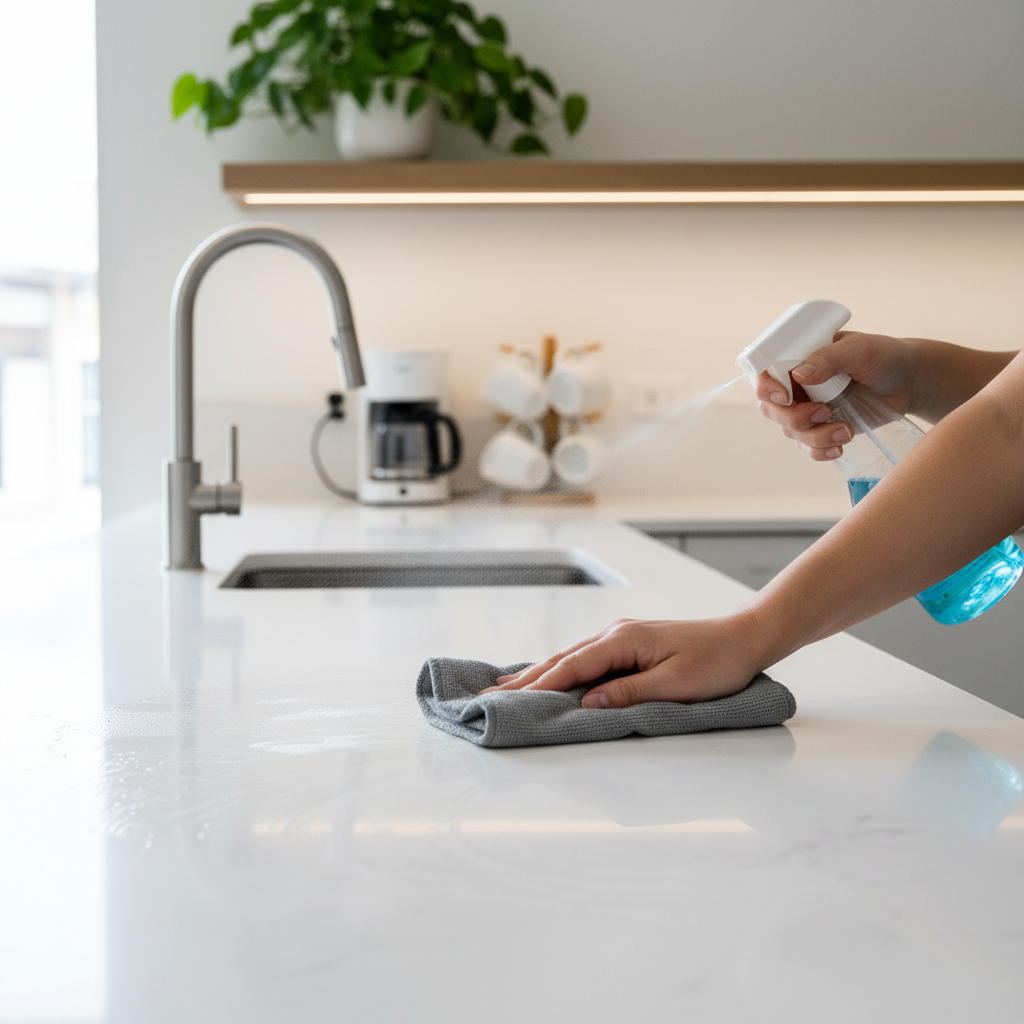
Applying the distinction between cleaning and disinfecting is most critical on the surfaces that act as transit hubs for pathogens. In professional cleaning, we often refer to the 80/20 rule: 80 percent of the germs in a home are typically concentrated on just 20 percent of its surfaces. For residents navigating the urban DC landscape, identifying these surfaces requires looking beyond the obvious light switches and refrigerator handles to the items that bridge the gap between public and private spaces.
DC commuters and hybrid workers in neighborhoods like Navy Yard or NoMa face unique exposure points that bring outdoor microbes into the living environment. Your Metro SmarTrip card, for example, is handled frequently at kiosks and stored in close proximity to your phone and wallet. Similarly, the key fobs used for secure entry into modern apartment complexes and the elevator buttons in high-rise buildings are high-frequency contact points that require daily attention. For those balancing home and office life, laptop keyboards and computer mice are primary reservoirs for skin oils and bacteria, especially if you move your equipment between a commercial and office cleaning environment and your personal desk.
High-Touch Surface Category | Specific Urban DC Examples | Recommended Frequency |
|---|---|---|
Personal Transit Items | SmarTrip cards, key fobs, steering wheels | Daily or after commuting |
Shared Building Controls | Elevator buttons, mailroom keypads, lobby handles | Daily (sanitize hands after use) |
Home Office Hardware | Keyboards, mice, tablets, docking stations | Daily for hybrid workers |
Standard Interior Points | Cabinet pulls, faucets, remote controls | 3 to 4 times weekly |
To maximize your healthy home cleaning tips for cold and flu season, implement a daily germ patrol for items touched by multiple household members or guests. Disinfecting these specific targets immediately after hosting visitors prevents a localized outbreak from taking hold. If managing this level of detail feels overwhelming alongside a busy career, you can contact our team to establish a professional maintenance schedule that addresses these microscopic hotspots with clinical precision.
Improving Indoor Air Quality in Historic DC Row Houses and Apartments
Washington, DC is celebrated for its historic architecture, yet the charm of a Georgetown or Capitol Hill row house often comes with the challenge of limited ventilation. In these older structures, air circulation is frequently suboptimal, allowing dust, pet dander, and seasonal allergens to settle deep into heavy drapes and wall-to-wall carpets. These trapped particles do more than trigger allergies; they place a constant burden on your respiratory system, leaving your immune defenses less equipped to fight off viruses.
Integrating indoor air quality into your healthy home cleaning tips for cold and flu season is vital for residents in these denser urban environments. Start by upgrading your HVAC filters to a MERV 13 rating if your system allows, and commit to changing them every three months. When addressing surfaces, always follow the professional protocol of dusting from top to bottom. This ensures that any dislodged particles fall to the floor to be captured by a vacuum equipped with a HEPA filter, rather than recirculating through the room. For those living in historic properties with original woodwork and high ceilings, regular professional intervention through flexible maintenance plans can help manage the buildup that standard household tools often miss. Maintaining clean air is a proactive step that supports your body’s natural ability to stay healthy throughout the winter months.
Healthy Home Habits: Choosing the Right Products for Disinfection
Maintaining a healthy indoor environment requires more than just high-frequency cleaning; it demands a strategic selection of chemicals that neutralize pathogens without introducing harmful volatile organic compounds (VOCs) into your living space. For those prioritizing a natural approach, hydrogen peroxide-based solutions serve as a highly effective alternative to traditional bleach. Hydrogen peroxide is an EPA-registered disinfectant that effectively kills flu viruses and bacteria, yet it decomposes into simple water and oxygen, making it significantly safer for households with pets and small children.
Safety is paramount when building your arsenal of healthy home cleaning tips for cold and flu season. A critical rule of home chemistry is to never mix cleaning agents, particularly bleach and ammonia or bleach and vinegar. These combinations create toxic gases, such as chloramine or chlorine, which can cause severe respiratory distress. This risk is notably heightened in the enclosed or poorly ventilated spaces often found in urban apartments and older row houses.
Product Type | Active Ingredients | Safety Profile | Environmental Impact |
|---|---|---|---|
Grocery Store Sprays | Quaternary Ammonium, Phthalates | High VOCs, potential irritant | Persistent in environment |
Natural Household Solutions | Hydrogen Peroxide (3%) | Low VOCs, safe for most surfaces | Biodegradable |
Professional Botanical | Thymol (Thyme Oil), Citric Acid | Hospital-grade, non-toxic | Sustainable and plant-based |
Queen Bea’s Helping Hands elevates these standards by utilizing professional-grade botanical disinfectants. Unlike standard grocery store sprays that often rely on harsh synthetic fragrances, our flexible maintenance plans incorporate plant-based solutions like thymol. These botanical agents offer hospital-grade efficacy against pathogens while maintaining a neutral air quality profile. If you are unsure which products are safest for your specific home finishes, you can contact our team for expert guidance on implementing a non-toxic disinfection protocol.
Implementing the 5-5-5 Rule for Winter Home Maintenance
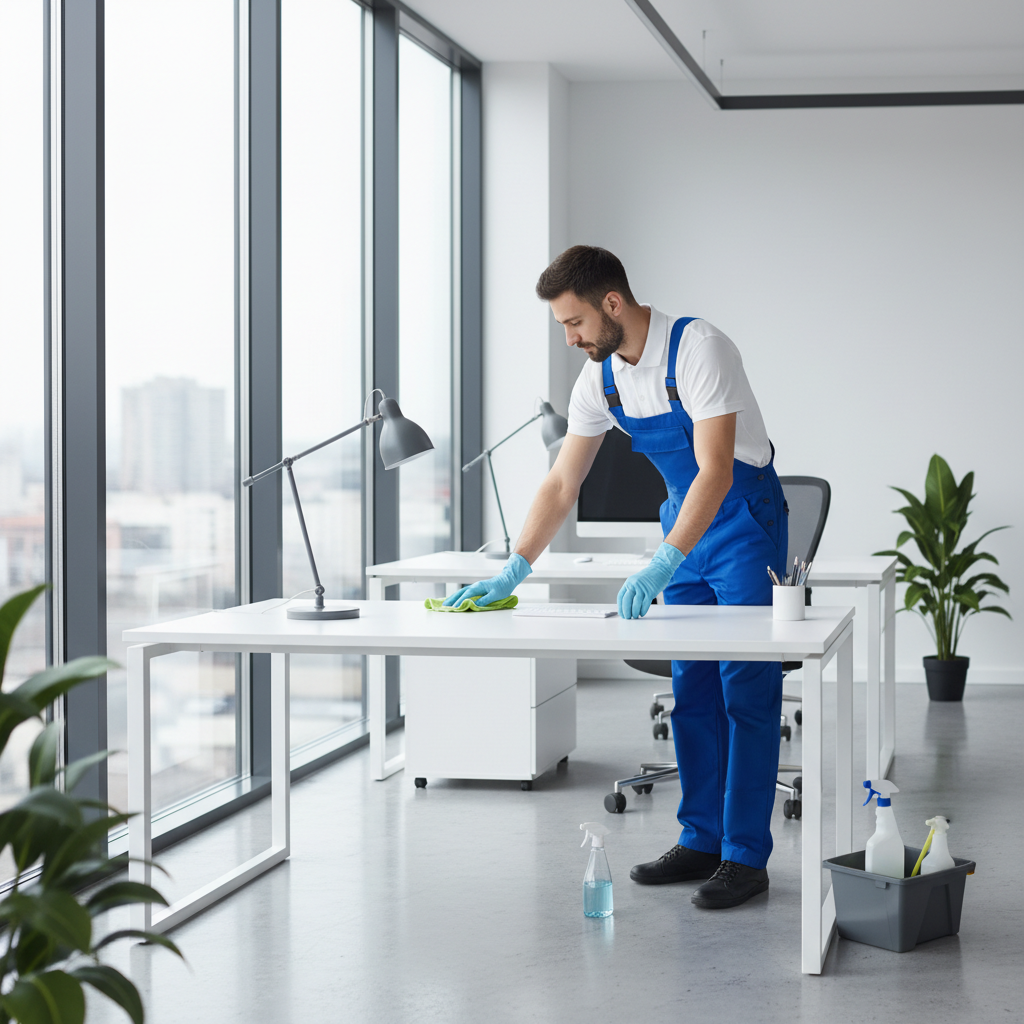
Selecting the right products is only half the battle; maintaining a defense against seasonal illness requires a consistent, structured routine. For busy professionals across the District, the 5-5-5 rule provides a manageable framework to integrate healthy home cleaning tips for cold and flu season into a demanding schedule. This strategy breaks down maintenance into daily, weekly, and monthly intervals to ensure no pathogen reservoir is overlooked.
Frequency | Focus Area | Specific Task |
|---|---|---|
5 Minutes Daily | The Germ Patrol | Wipe down primary entry handles, light switches, and kitchen faucets using a botanical disinfectant. |
5 Tasks Weekly | Textile and Surface Sanitization | Launder bedding and towels in hot water; disinfect kitchen sinks, tech devices, and fridge handles; vacuum entryways. |
5 Focuses Monthly | Deep-Clean Reservoirs | Disinfect trash cans; clean appliance gaskets; sanitize the dishwasher filter; steam heavy drapes; clean the washing machine drum. |
Laundering linens in water reaching at least 140°F is a critical weekly step for neutralizing viruses that survive on soft surfaces. Meanwhile, monthly attention to appliance seals and trash cans prevents the growth of bio-films and bacteria in high-moisture areas. If your professional schedule makes this cadence difficult to sustain, our flexible maintenance plans can bridge the gap. You can contact our team to customize a schedule that handles these deep-cleaning tasks, leaving you free to focus on your career and well-being.
The Bathroom and Kitchen: Stopping Cross-Contamination in Shared Spaces
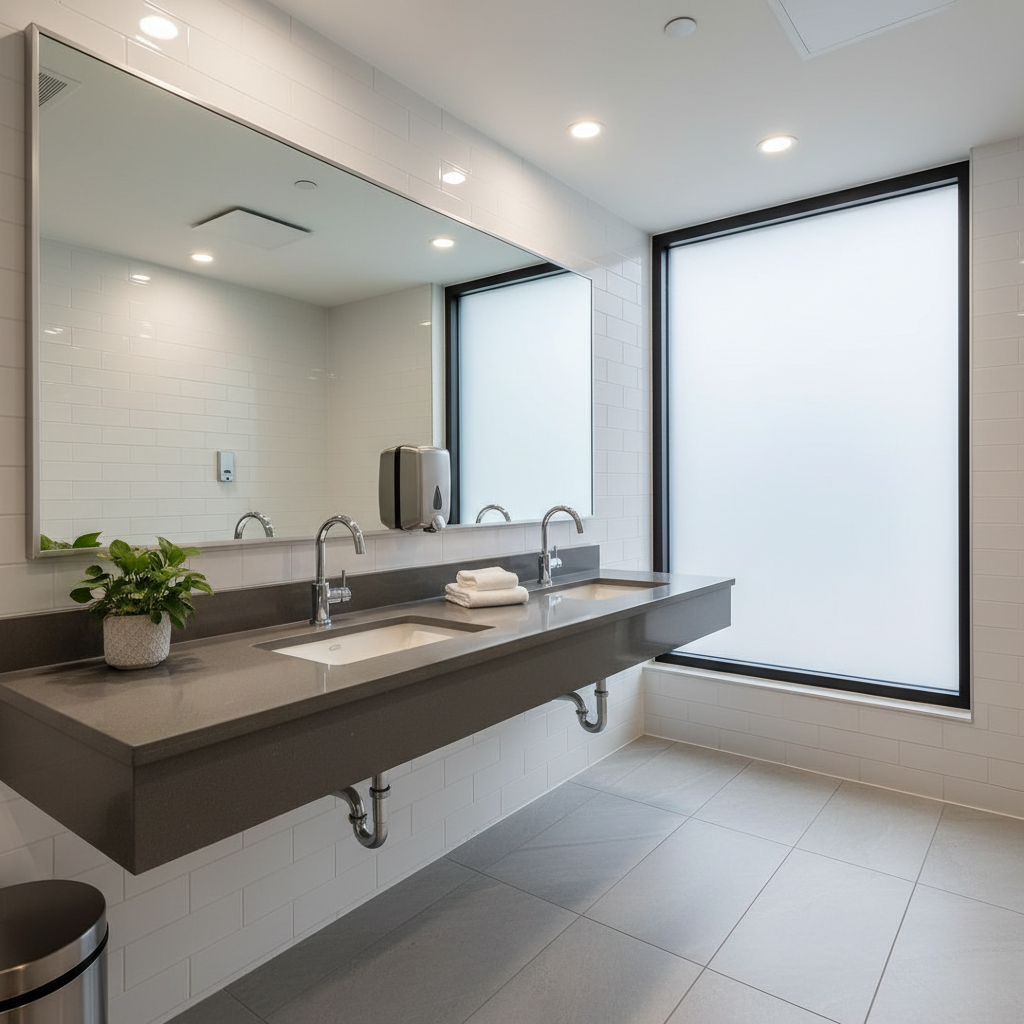
The kitchen and bathroom serve as the primary moisture hubs of the home, making them high-risk zones for cross-contamination. In the kitchen, the traditional sponge is often the largest culprit; its porous nature traps moisture and food particles, creating a breeding ground for bacteria. Rather than attempting to microwave or bleach an old sponge, it is more effective to switch to color-coded microfiber cloths. These cloths physically lift pathogens from surfaces and can be laundered in high-heat cycles to ensure a fresh start each day. Focus your disinfection efforts on faucet handles, which are frequently touched before hands are washed, and refrigerator door seals where bio-films can accumulate unnoticed.
In the bathroom, the priority shifts to the splash zone around the sink and mirrors. These areas often sit in close proximity to toothbrush holders, where aerosolized particles and water droplets settle. Sanitizing these surfaces daily is a cornerstone of effective healthy home cleaning tips for cold and flu season. Queen Bea’s Helping Hands provides specialized care for these critical areas through our flexible maintenance plans. We ensure that high-touch points are not just visually polished but clinically hygienic by using targeted application methods that prevent the spread of germs between household members. For those requiring a professional baseline of cleanliness in shared spaces, you can contact our team to schedule a detailed service that addresses the specific microbial challenges of urban living.
Maintaining a healthy home during the Washington, DC flu season starts with consistent sanitization and attention to detail. By focusing on high-touch surfaces and proper ventilation, you can significantly reduce the spread of germs throughout your household. If you want expert help ensuring every corner of your home is properly disinfected, our team is here to support you. You can browse our available Services to see how we can help you maintain a safer environment. Let us handle the heavy lifting so you can stay healthy.